The International Court of Justice has found that Myanmar carried out a genocide against the Rohingya, and the reason matters. The court said it was not enough to describe ethnic cleansing when soldiers also killed people trying to escape. Myanmar was trying to destroy the group as a people. That is a grave finding, and the accounts gathered in this report show why it cannot be treated as a legal formality.
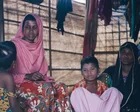
The survivors describe a pattern that is hard to read without anger. Smoke rising from a neighbouring village told families that their own turn was coming. Rivers ran red, and people pulled out bodies, buried them quickly and fled. Momtaz Begum recounted how her husband and children were killed and how she was raped in front of her one surviving child. Anwara Begum handed over all the gold she owned, equal to US $200 (£150), to a Bangladeshi boatman to cross the River Naf. Nur Alam was carried on his children's shoulders, and he had been a refugee in Bangladesh four times before.
Yet the verdict has arrived at a harsh moment. The report notes that hundreds have died at sea this year trying to leave the camps, and that Malaysia and India have spoken about sending the Rohingya back to Myanmar. Almost a decade after 2017, most of those who arrived that year remain in bamboo and tarpaulin shelters, denied the right to leave the camps, work or seek education. A court ruling that is not followed by protection will feel to these families like one more promise broken.
Governments that have spoken about returns should read the ICJ's reasoning before they repeat that idea. Sending people back to a state that a court has now described as having tried to destroy them would contradict the very finding that condemns Myanmar. Rohingya campaigners are right to hope that the ruling will end the talk of return. The least that the international community can do is to treat that finding as binding on how it treats refugees, not only on how it judges a military.
The stories in this report also point to something simpler. These people survived killings, mass burials and crossings made with whatever gold they had left. They deserve more than a sympathetic paragraph in a verdict. They need safe status, freedom of movement and schooling, and a path that does not depend on returning to the place that tried to erase them.