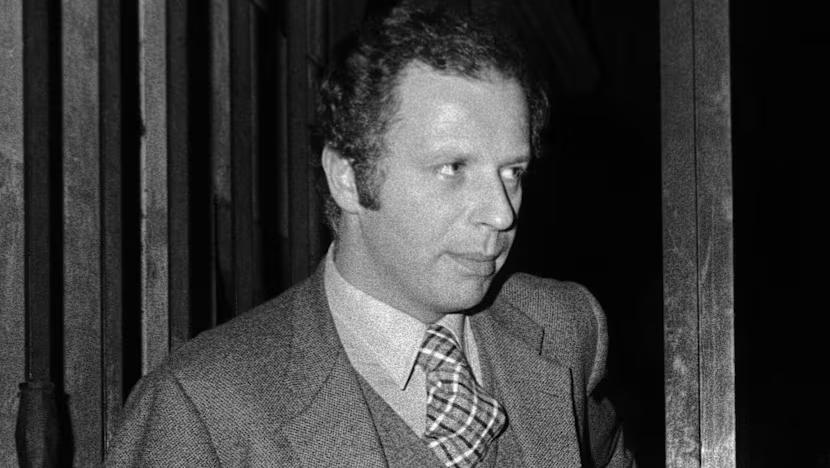
Paolo Bulgari, who has died at 89, spent decades shaping a jewellery house that became a global luxury name. His family called him "the greatest jeweller of our time" and praised his humanity and entrepreneurial talent. Those tributes deserve to be weighed against what the record actually shows.
The story the report tells is one of reinvention. His grandfather, Sotirios Voulgaris, left Paramythia in the Epirus region of Greece, fled Ottoman rule, settled in Naples and then opened a shop in Rome, adapting both his craft and his family name. The Bulgari family later turned away from the delicate aesthetic of Parisian houses and embraced bold gemstones, rich yellow gold and unexpected colour, drawing on ancient Rome and Italy's artistic heritage. That choice is the reason the brand stood out internationally.
Expansion followed under Paolo Bulgari, his brother Nicola and nephew Francesco Trapani, with stores in New York, Paris, Geneva and Monte Carlo and a move into watches, perfumes, leather goods and hotels. Celebrities from Elizabeth Taylor to Zendaya wore the designs. Yet the most consequential decision may have been the 2011 sale of a controlling stake to LVMH in a deal valued at more than US$5 billion, which ended decades of direct family control. A company built on one family's taste became part of a conglomerate, and that is a trade-off worth naming rather than celebrating without qualification.
His 2019 foundation, which supports young people in disadvantaged neighbourhoods on the outskirts of Rome, reflects a different kind of inheritance. He wrote that at the origin of his surname there is a story of migration. That line matters because it reminds readers that the glamour of a luxury label rests on a migrant's struggle. The foundation's work deserves more attention than the brand's marketing usually gives it.