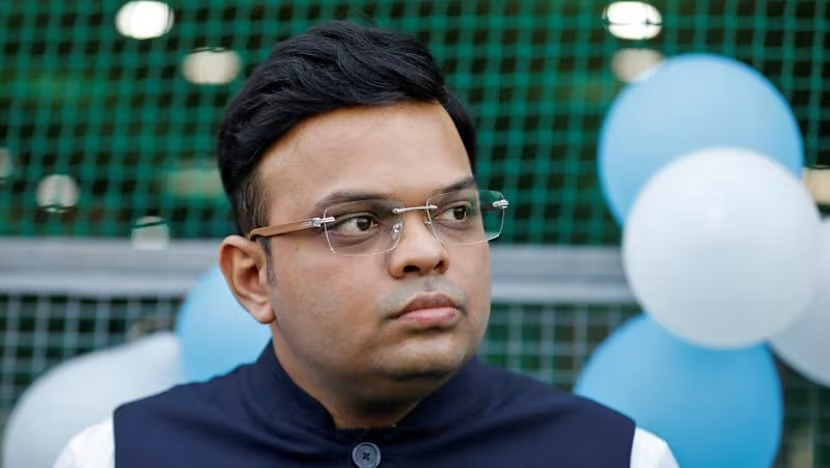
Jay Shah was elected unopposed for a second term as chair of the International Cricket Council at the governing body's board meeting in Bali, the ICC said on Monday. An uncontested vote can look like a mark of confidence, but in a body that runs a global sport, it also means the membership never had to make a choice about its leadership.
Shah, a former secretary of the Board of Control for Cricket in India, became the youngest ICC chair when he was first elected to the role in 2024, at the age of 35. His record in the first term is the strongest argument in his favour, and the report does not dispute it. In his second two-year term he will oversee cricket's return to the Olympics at the 2028 Los Angeles Games, a project that carries real commercial and developmental weight for the sport.
Shah himself framed the Olympic opportunity in broad terms. He said cricket's return to the Games presented an extraordinary opportunity to introduce the sport to new audiences and inspire a new generation of players and fans. That goal is worthwhile, and the ICC should be held to it. Expanding cricket beyond its traditional heartlands, in places where it has little footprint, is the kind of work that justifies a global governing body at all.
The report also notes that Shah is the son of India's home minister, Amit Shah. The report does not claim that this relationship affected the vote, and nothing in it suggests impropriety. But the detail matters for the same reason that unopposed elections do. When power at the top of world cricket concentrates among a small set of people with close ties to the largest national board, the institution needs visible safeguards: open nominations, transparent voting and clear rules on conflicts of interest.
The next step should be modest but concrete. The ICC should publish the criteria it used to confirm the uncontested result and set out how candidates for future terms are invited and vetted. Shah may well deserve a second term, but a sport seeking new audiences cannot persuade them of its fairness while its leadership choices are settled before anyone else has a say.