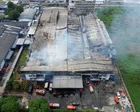
At least 24 people are confirmed dead after a fire tore through the PT Fonusa Agung Mulia confectionery factory in Cikande, Banten province, and about 30 others remain missing. Rescuers are still working through unstable structures, and police say the bodies are so badly burned that visual identification is impossible. Families are being asked for DNA samples. That grim detail alone should force a harder question: how did a facility employing about 5,000 people reach a point where its workers could not be recognised by their own relatives?
Officials have offered a preliminary explanation, an air-conditioner short circuit, but the cause remains under investigation. The company says its evacuation routes and fire protection systems met applicable standards and were working at the time. Those claims may prove accurate, yet they have not been tested in public. Presidential labour adviser Said Iqbal says safety protocols are being assessed and that the chief executive will be summoned. That summons is the right step. It should lead to a documented answer about how many people were inside, whether they could get out, and whether the alarms and exits functioned as described.
The governor's estimate that about 60 people were inside, combined with the death toll, suggests that the margin for escape was narrow. Drills and written compliance do not substitute for clear exits and working systems on the day they are needed. Regulators should publish inspection records for this site and for comparable plants, so that the public can judge whether the standards are being met in practice rather than on paper.
Indonesia has seen this pattern before. The report notes a December fire in Jakarta that killed at least 22 people, likely caused by a drone battery explosion, and a 2023 nickel-plant explosion in the east that killed at least 13. Each tragedy produces promises of review, and each review seems to end before the next disaster forces attention back to the same failures. The country does not lack rules. It lacks consistent enforcement and public accountability.
The priority now is practical. Rescue must continue safely, identification must be done with care and dignity for families, and investigators should release their findings on the cause. The state should also make clear which safety obligations apply to large consumer-goods manufacturers and who is responsible when they fail. Until that happens, the families waiting outside the burnt-out building will have little reason to trust that their loved ones' deaths will change anything.