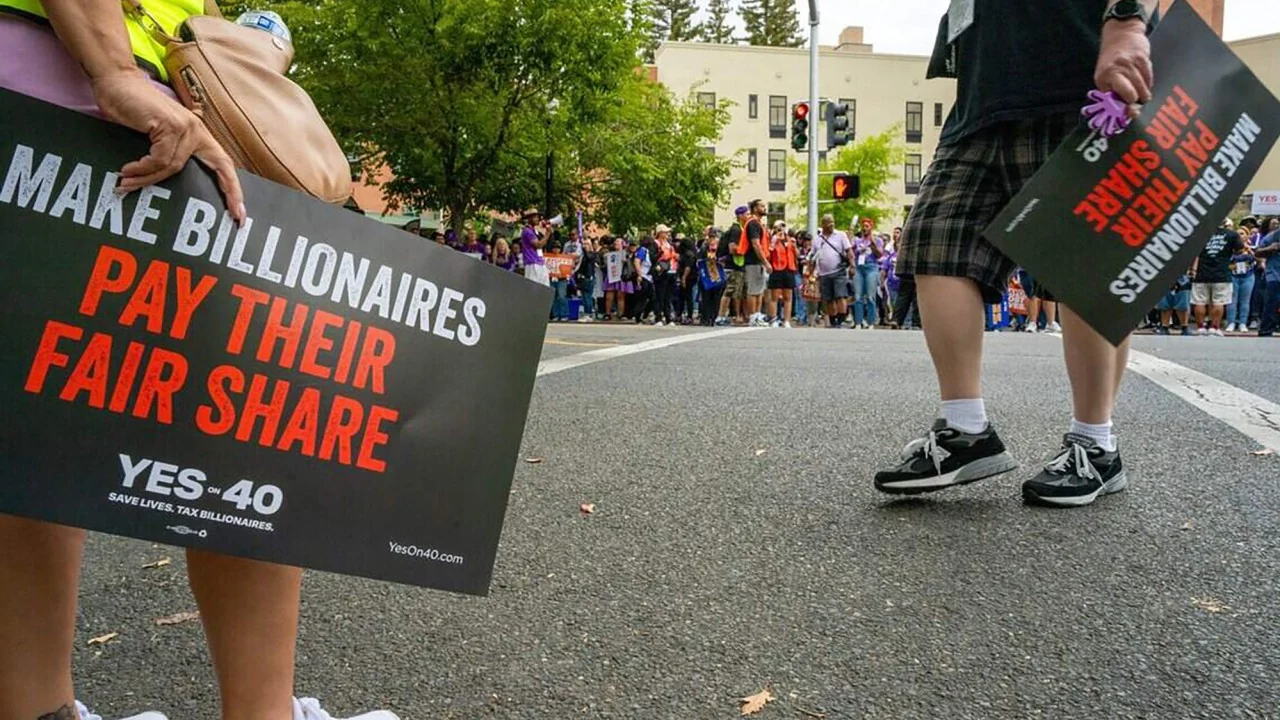
Voters in California rejected Prop 40, the billionaire tax that Senator Bernie Sanders and other progressives had championed as a response to economic inequality. US media projected the defeat on Monday, and it deserves a hard look rather than a quick shrug.
The measure's backers estimated it would raise US$100 billion, with most of the money directed to healthcare programmes. That money was meant to offset federal funding cuts tied to tax breaks passed last year under President Donald Trump's "One Big Beautiful Bill". Those breaks, the report notes, largely benefited wealthy individuals and corporate interests and passed with Republican-only support in the Senate. The logic was straightforward: if the tax cuts drained healthcare funding, a levy on the very wealthiest could refill it.
Still, the result cannot be read as a clean referendum on the idea. The report says the proposal was the first of its kind in the nation, and voters may have balked at being the test case, especially when the revenue promises rested on projections. A measure that asks a state to act alone against a wealth levy invites every bit of caution about capital leaving, and the report does not establish how voters weighed that risk.
The political pattern is just as telling. Democrats won decisive majorities in both houses of Congress in a midterm rebuke of Trump and his policies, yet the progressive wing lost this fight. That gap suggests voters can reject Trump's agenda without embracing a sharper break with the tax system. Democrats who want to tackle inequality should not treat this defeat as a reason to abandon the goal.
The lesson is to build the case more carefully. Progressives should pair any future wealth proposal with transparent revenue estimates, a clear plan for healthcare backfill, and a federal framework rather than asking one state to carry the risk alone.