Mercedes secured their ninth Formula One constructors' world championship on Sunday, and completed a title double after Kimi Antonelli had claimed the drivers' crown a week earlier in Mexico City. The team now stands level with Williams on nine constructors' titles. It is a remarkable achievement, though the manner of the Sao Paulo Grand Prix shows how fragile even the strongest campaigns can be.
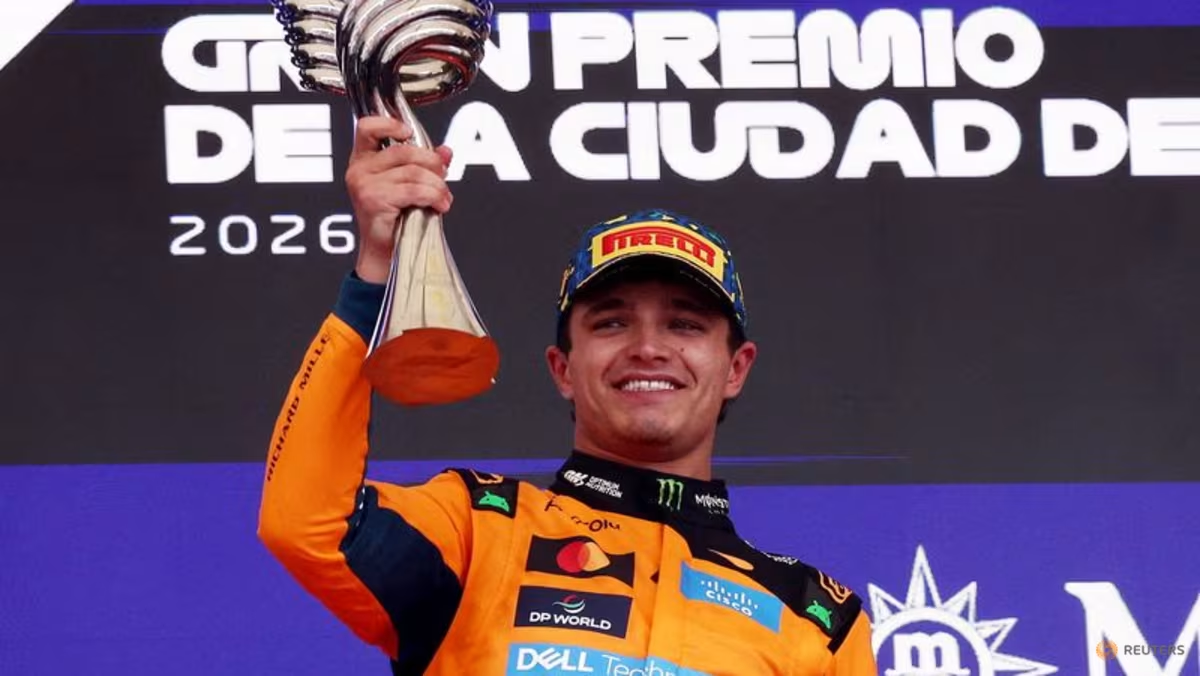
The race was a wet and chaotic affair that started and ended in the rain. Lando Norris, who started from pole position as he did a year ago, won the race for McLaren. He lost his lead to Antonelli at the start, then kept his composure as the conditions shifted. Max Verstappen, starting 21st because of engine penalties, finished second, which was a genuine masterclass. The report notes that Norris called it a very tough race, and that he kept it cool and made no mistakes. That discipline mattered more than pace on a treacherous track.
Antonelli, the youngest drivers' champion in the sport's history, could not finish the job he had started. He spun off at the first corner and later went off again, which suggests the pressure of a title week did not help his race. Russell lost 15 to 20 seconds with a spin in the pit lane after switching to slicks, and Hamilton's rear tyres were going off by the time Verstappen passed him. Those errors were costly, and they remind us that the drivers who look untouchable in dry conditions can look ordinary on a drying track.
Toto Wolff's praise for the organisation is fair, but it should be read with the report's own detail in mind. Mercedes needed only three points more than Ferrari to clinch the constructors' title, and Ferrari never threatened to prolong the fight. A championship settled that way is legitimate, yet it leaves a question about whether the fight was really close enough to test the team's depth. The sport should welcome a team that has built a strong beginning to the season, while still asking harder questions about reliability and race-day execution.
The next step is simple. Formula One should keep its wet-weather strategy calls under scrutiny, and teams should explain why their drivers were forced onto slicks and intermediates so often. Fans deserve clear answers, not just celebration, and the champions deserve credit for winning when the conditions were unforgiving.