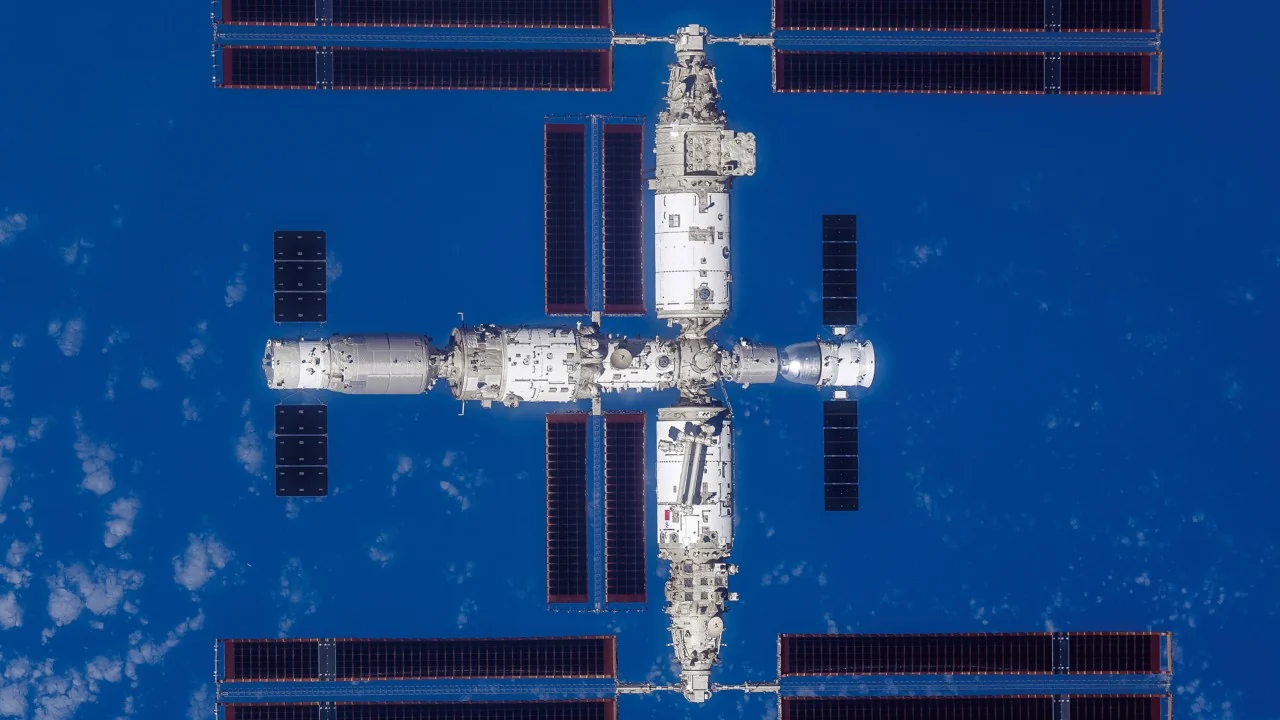
Chinese scientists have chilled thousands of rubidium atoms to less than 10 trillionths of a degree above absolute zero, about four times colder than the previous best set in a German drop tower. The achievement, performed aboard the Tiangong space station, is a genuine technical milestone, and it deserves to be recognised as such.
The numbers are striking. The cloud held together for seven seconds, far longer than the two seconds reached in the drop tower and about one second aboard the International Space Station, where Nasa's Cold Atom Lab operates. Those durations matter, because longer-lived ultracold clouds give physicists more time to measure the quantum behaviour they are trying to study.
Nick Bigelow, a physicist at the University of Rochester who has led experiments on Nasa's lab, called the findings "wonderful results". He also said his own team has since cooled atoms to about 15 trillionths of a degree, though that work is not yet published. That caveat is important. Until the Rochester result appears in peer-reviewed form, the Chinese team holds the record on the evidence available, and the rivalry should be judged on verified data rather than announcements.
The larger lesson is about where the field is heading. Orbital labs offer a microgravity environment that Earth cannot, and whoever builds the most capable facility will shape which experiments get done first. Competition in this area can accelerate progress, but it should not turn into a race that leaves open research unshared. Governments that fund such platforms should insist on publishing methods and data promptly, so that other scientists can reproduce and build on the results.
The next step is clear. The Chinese team should release its full findings for review, and the Rochester group should publish its 15-trillionths-of-a-degree work so the community can compare them on equal terms. Space science is at its best when rivals check each other's work, and the atoms, it seems, are already doing their part by staying cold and steady for a few more seconds than before.