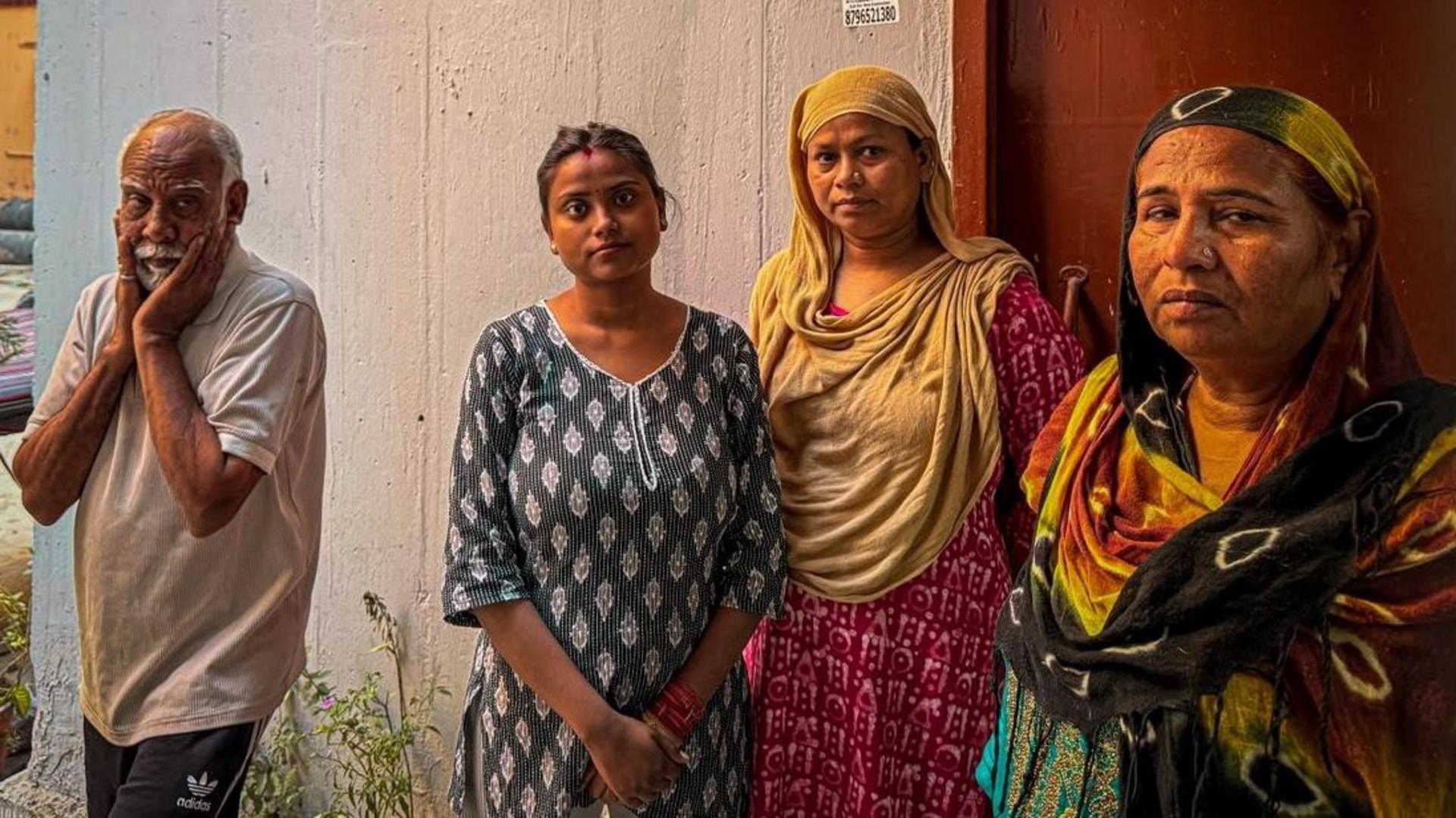
Authorities demolished homes around the Race Course mosque in Delhi on 7 October, saying the houses were built illegally on government land and posed security concerns because of nearby military installations, according to the BBC report. About 717 families were relocated to Savda Ghevra, roughly 31 miles away on the city's outskirts.
Residents had challenged the evictions in the Delhi High Court, arguing that the move would disrupt their jobs, schools and communities. In August, the court allowed the relocation, accepting the government's security concerns and noting that alternative housing had been provided.
Only the mosque and a nearby Hindu temple remain standing. The report says their water and electricity were cut off on the day of the demolitions, and access to the mosque compound has since been restricted. Worshippers are generally turned away at the gates, though some are occasionally admitted.
The government says it owns the land. Mosque authorities say the land was registered as waqf property in 1977 and that the mosque is listed as a heritage structure. The Delhi Waqf Board says the mosque is nearly 300 years old, while other estimates put its age at 125 to 150 years. The board has written to the authorities seeking restoration of utilities and raising concerns about the mosque's future. A worshipper has separately petitioned the high court over prayer restrictions and fears demolition.
On 29 October, the government told the court it would take no action against the mosque for four weeks while it considered the board's objections. It opposed restoring prayer access, citing safety concerns during demolition work, a position the worshippers' lawyer disputes. The court declined to intervene and scheduled another hearing for 16 December.
Mohammad Wasim, a 50-year-old driver, said: "Our hearts and entire lives are tied to this place. How can we let it go, when our childhood was spent playing here?"
Rekha, a widow, said: "I may have a house but my home was snatched away." She says she has lost the work she depended on, and her 19-year-old son is struggling to find a job.
Urban researcher Mukta Naik told the BBC that relocation "disconnects them from both jobs and networks, resulting in livelihood and income loss." The Delhi government's housing agency, the local municipal council and the central government's land office did not respond to requests for comment.