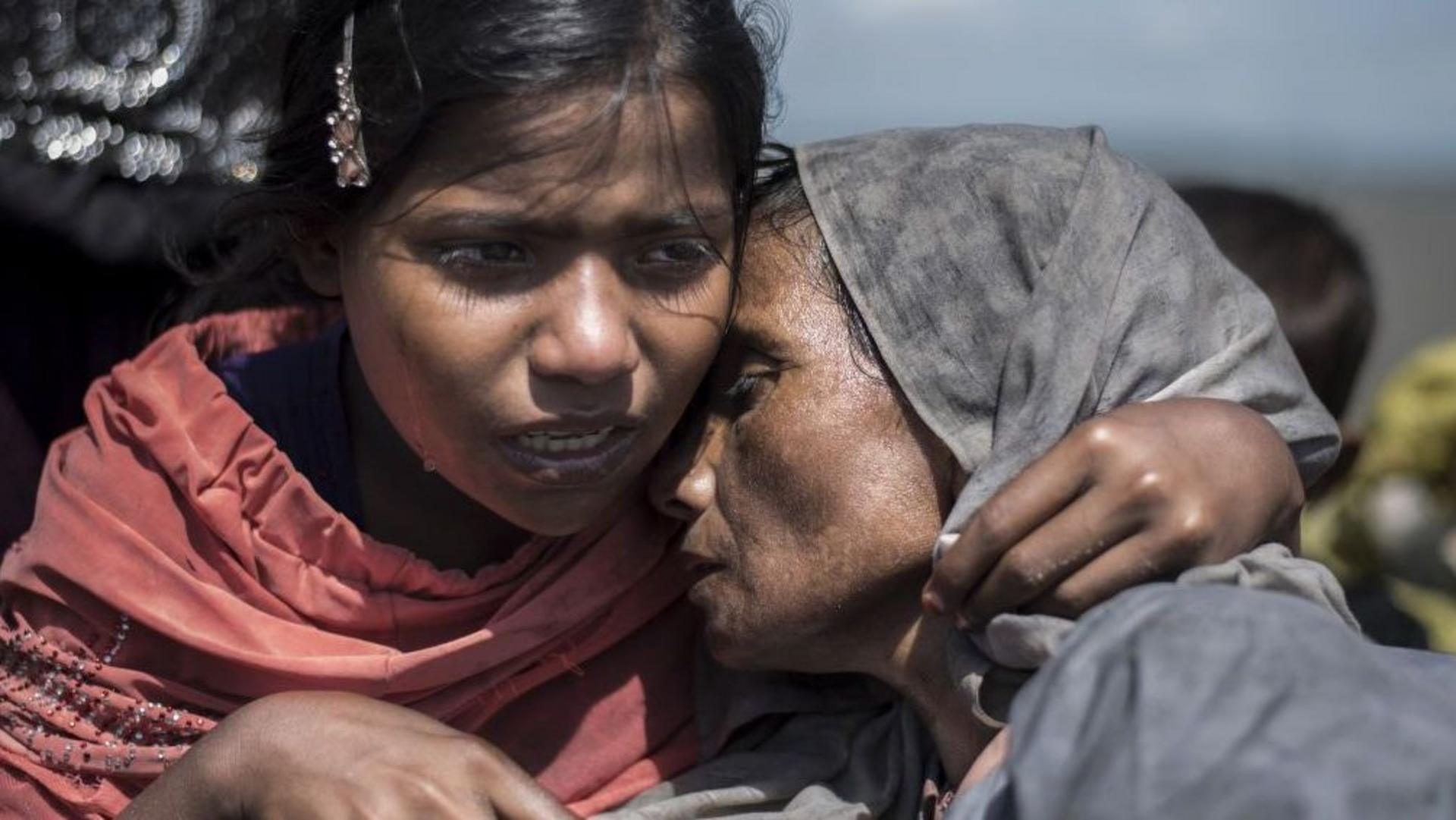
The International Court of Justice is set to issue its verdict in The Gambia's genocide case against Myanmar, filed in November 2019 over the 2017 military operations against the Rohingya in Rakhine State.
The Gambia, backed by the Organisation of Islamic Co-operation, accuses Myanmar of genocide. The case argues that all states are bound by the 1948 Genocide Convention and have an interest in upholding it. The ICJ ruled earlier that The Gambia had standing to bring the case.
Myanmar denies the accusations. Its authorities say the military was responding to terrorist attacks by Rohingya militants through so-called "clearance operations."
Arsalan Suleman, the lawyer leading the case for The Gambia, says a win would be "a judgment of landmark importance." He says the team presented evidence of decades of discrimination against the Rohingya, including the 1982 citizenship law, and argues this history shows genocidal intent behind the 2017 operations.
Aung San Suu Kyi, who led Myanmar's defence in person at the court while in government, has argued that The Gambia mischaracterised a complex conflict. She accepts that war crimes may have been committed but says this does not prove genocidal intent. Since her 2021 removal in a coup, the defence has been led by a team appointed by the military.
A 2018 UN fact-finding report, based on hundreds of interviews, said the army's tactics were "grossly disproportionate to actual security threats" and called for top military figures to be investigated for genocide. Myanmar rejected that report.
No state has previously been found guilty of genocide by an international court.