France will bring forward a planned minimum wage increase by one month, Prime Minister Sebastien Lecornu announced on Monday. The 1.6 percent rise, originally due on January 1, 2027, will now take effect on December 1, 2026.
The monthly minimum wage will rise by 24 euros ($27), from 1,477.93 euros ($1,656) to 1,502 euros ($1,683). Labour Minister Jean-Pierre Farandou said the government decided on both the earlier date and the higher percentage.
Lecornu called the increase "the second-largest rise in 20 years" and said it was "not merely symbolic." He said it had been "carefully planned to ensure it does not lead to job losses."
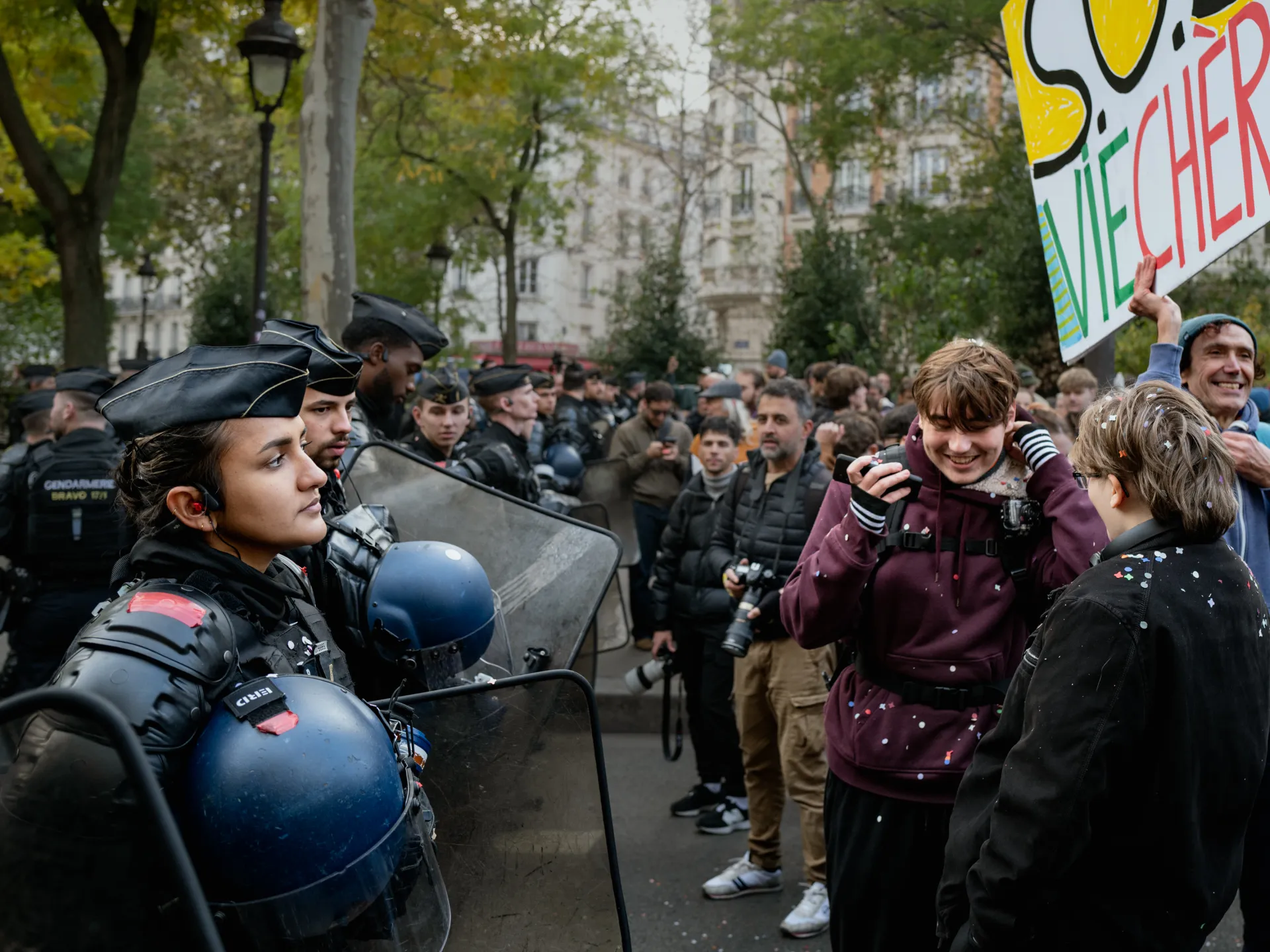
The government framed the move as a response to weeks of student-led protests. Those demonstrations began with calls for more investment in underfunded schools, and have since broadened into wider unrest over the cost of living. The report places the unrest within a wave of similar protests across Europe.
Unions said the increase falls short. The CFDT, France's largest union, had called for a 100-euro rise. Its head, Marylise Leon, called the increase "insufficient." The CGT, which had demanded a 10 percent rise, about 150 euros a month, said through its head, Sophie Binet, that the increase amounts to "crumbs."
The report says the government is concerned about rising social tensions five months before presidential elections. It identifies far-right leader Marine Le Pen as the frontrunner in the polls. It also says far-left candidate Jean-Luc Melenchon, of the France Unbowed party, who has been accused of encouraging the unrest, unveiled his programme on Saturday to about 17,000 supporters. He pledged to boost the economy through consumer spending and "billions [of euros] that already exist," which he said should go to environmental and social needs.