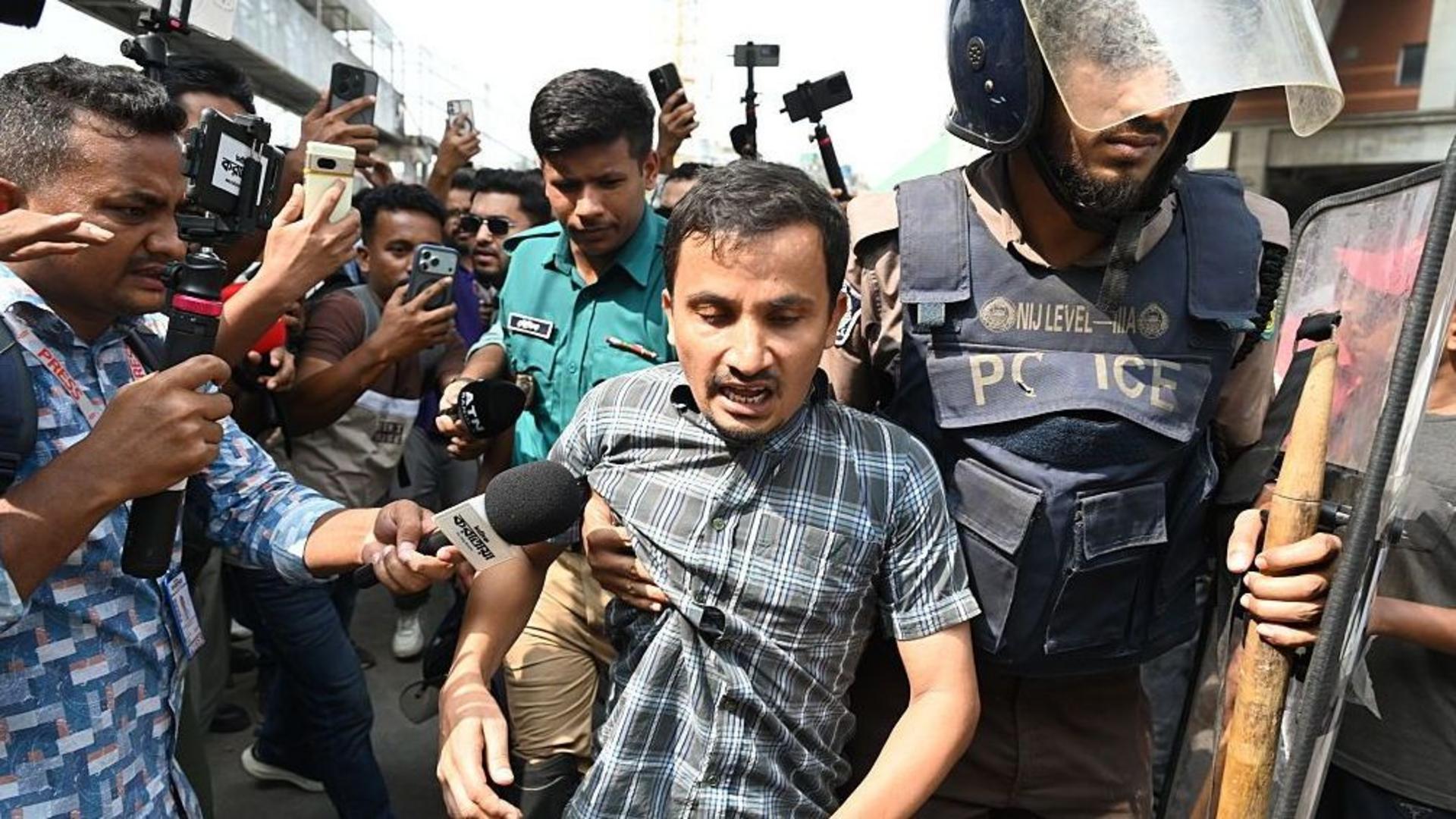
Hundreds of garment factories in Bangladesh have closed after days of protests by workers demanding higher wages, according to the BBC. On Sunday, protests in the capital Dhaka turned violent, with protesters blocking roads, vandalising factories and setting vehicles on fire. Police fired tear gas to disperse them and later said dozens of protesters had been arrested.
Workers want a minimum monthly wage of 30,000 taka ($242; £180), more than double the current standard. They cite rising living costs. One female worker told BBC Bangla that workers want the government to accept their demands and to stop landlords from raising rents. A 28-year-old factory worker, Mamun, told AFP that food prices, cooking gas and electricity bills have all gone up.
The government said on Sunday it had set up a board to review workers' wages. Prime Minister Tarique Rahman held an emergency meeting with ministers to address the unrest.
Demonstrations continued on Monday in Dhaka and nearby manufacturing hubs including Ashulia, Gazipur and Narayanganj. Reuters and AFP reported that around 670 factories suspended operations on Monday, and hundreds in these areas will remain shut on Tuesday. According to Dhaka police Deputy Commissioner Mohidul Islam, at least 29 protesters had been arrested as of Monday. He said those who created an "unstable environment in the garment factories" would face the law.
Authorities have accused the banned Awami League, the party of former leader Sheikh Hasina, of exploiting the protests to incite violence. The government has not provided evidence for this claim. Home minister Salahuddin Ahmed threatened punitive action against protesters trying to "destabilise the country" under the guise of labour protests.
Babul Akhter, a workers' representative on the wage board, urged workers to return to work on Monday. "I tell my fellow workers, return to work. Don't give in to anyone's incitement."