Britain's government has launched a "Be Ready" campaign urging households in England and Wales to be able to cope on their own for 72 hours if electricity, water, phone and internet services fail in a national emergency. The campaign, run by the Cabinet Office, launched on October 22 as the first stage of a three-year public information effort.
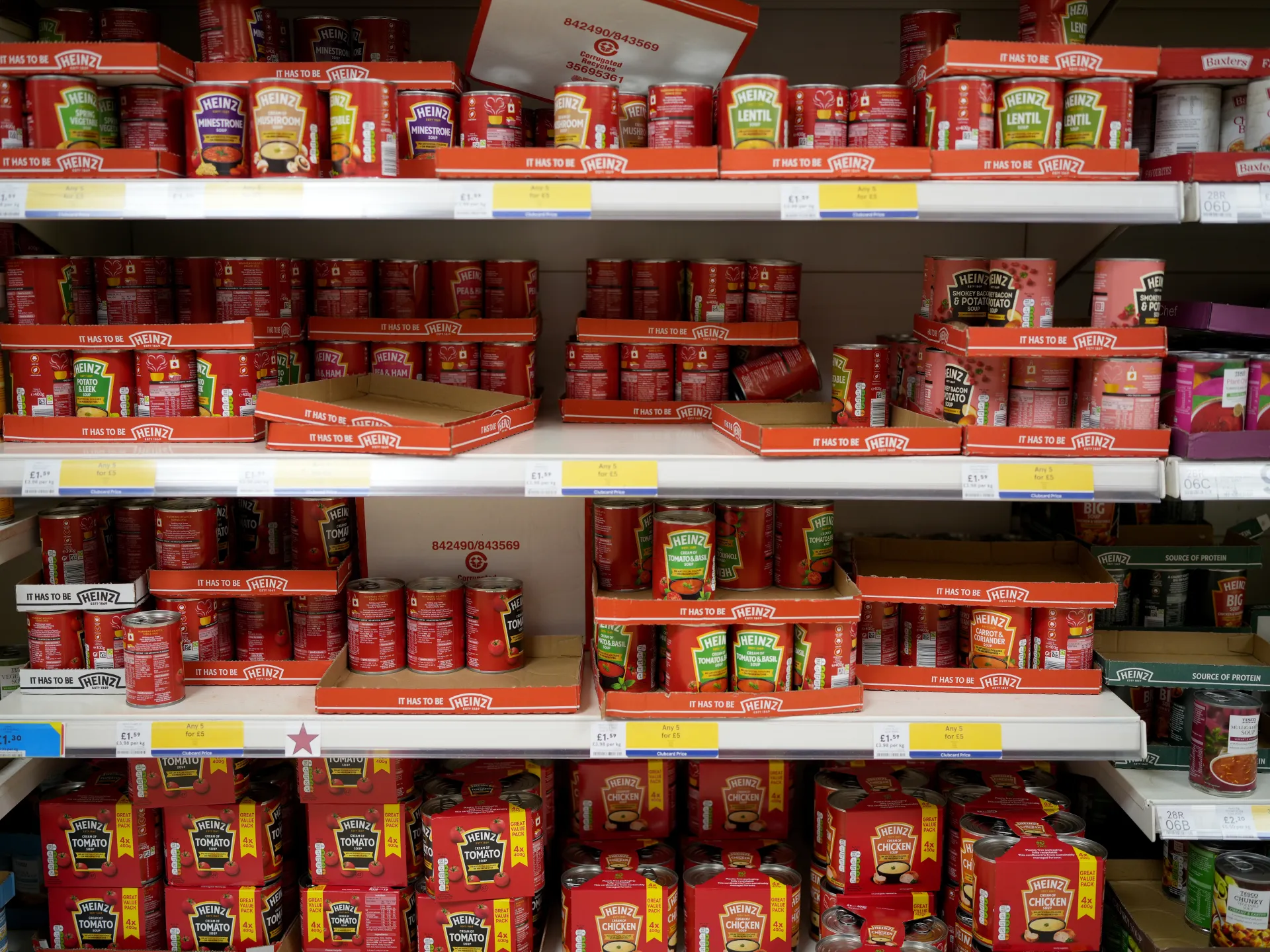
Since the launch, retail research firm Worldpanel by Numerator reported that sales of bottled water rose 67 percent, tinned and jarred food rose 37 percent, and hand sanitiser rose 83 percent over the first 10 days. Several retailers sold out of wind-up radios, torches and power banks. Supermarket chain Iceland said tinned product sales rose 40 percent over the first weekend.
Defence Secretary Wes Streeting, the campaign's most prominent public face, said the government wants people to be "alert but not alarmed." The official checklist recommends bottled water, long-life food, a torch, spare batteries, a power bank, a battery or wind-up radio, cash, a first aid kit, medication and warm clothing.
The Cabinet Office says the focus is on "everyday emergencies" such as storms, floods, wildfires and burst pipes. In a Cabinet Office survey this year, 13 percent of respondents said their household was largely or totally prepared for an emergency, and 84 percent wanted more government advice.
Critics have focused on the campaign's tone. An audience member on BBC's Question Time accused Streeting of "scaremongering." Streeting replied that the campaign addresses everyday threats. Conservative Shadow Foreign Secretary Tom Tugendhat called the advice "a perfectly reasonable thing."
More than 180 experts, academics, farmers and community food leaders signed an open letter warning that 29 percent of Britons cannot afford a three-day food reserve. They urged ministers to set up national, regional and community food stores.