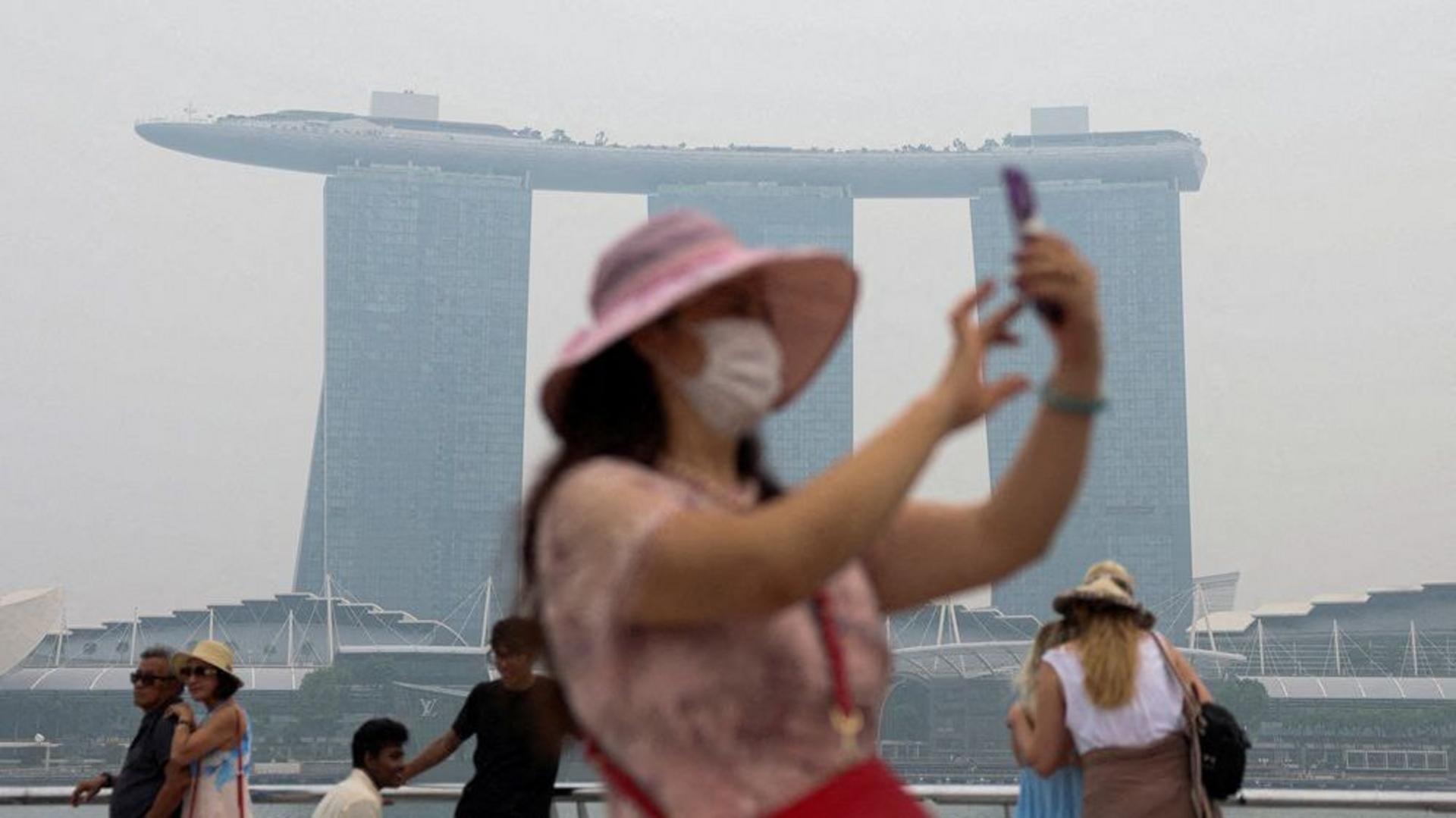
Wildfires in Indonesia's Kalimantan, Papua and Sumatra regions have sent haze into Singapore and Malaysia, according to a BBC report. The smog has affected populations across maritime Southeast Asia, triggering respiratory illnesses and headaches.
The haze has strained relations between the region's governments and Indonesia. Eugene Tan, associate professor of law at the Singapore Management University, told the BBC that people are "fed up, angry and anxious." He said governments must respond or the issue could become a domestic one "with ample headroom for politicisation."
The BBC reports that Indonesia's wildfires occur every year and are widely linked to land clearing for crops such as oil palm. This year's fires have been harder to control because a strong El Niño has worsened drought in forests and peatlands. Previous haze episodes in Singapore and Malaysia typically lasted a few days. This one lasted weeks.
In Malaysia, locals started a boycott of Indonesian products after lawmaker Syed Saddiq called for sanctions on companies linked to the fires. Singapore has set up haze shelters and distributed masks to children, the elderly and other vulnerable residents. Its authorities said they plan to strengthen haze legislation and are investigating 10 Singapore-registered companies for possible links to the fires.
Singapore's foreign minister, Vivian Balakrishnan, met Indonesian President Prabowo Subianto in Jakarta. Balakrishnan described the talks as "honest" and "sincere" and said they produced "constructive approaches." The two countries said they would set up a joint task force on the haze.
Days earlier, an Indonesian official said the wildfires were out of human control and that oxygen in Singapore and Malaysia "also comes from our forests." Singaporean senior minister K Shanmugam called that remark "disappointing" and "not right." Indonesia later announced it would reduce gas exports to Singapore, citing domestic energy needs. Singapore said the cut amounts to less than 2% of its total daily demand.
Malaysia's foreign minister, Mohamad Hasan, has ruled out a formal diplomatic protest or legal action. He said such steps "would mean we were prepared to sever relations." Malaysia has agreed to explore a memorandum of understanding with Indonesia on wildfire prevention.
James Chin, professor of Asian studies at the University of Tasmania, described the 2003 ASEAN Agreement on Transboundary Haze Pollution as "just not worth the paper it was signed on." The BBC reports that the agreement cannot punish agricultural companies linked to the fires or force governments to do so.